When German engineer Klaus Weber arrived in Rio for a six-month consulting project, his Brazilian colleagues warned him about everything except the tap water.
Three months later, Weber made a surprising discovery: “I’ve been drinking tap water daily without any issues, while back in Berlin, I always use filters due to hardness problems.”
Weber’s experience reflects a common misconception many international visitors hold about Rio’s water infrastructure and quality standards.
The Guandu System: A Global Infrastructure Marvel
Rio de Janeiro’s water supply comes primarily from the Guandu Water Treatment Plant, officially recognized by the Guinness Book of World Records as the world’s largest water treatment facility.
This massive infrastructure serves over 9 million people across the metropolitan region, processing billions of liters daily.
Moreover, the Guandu system recently earned ISO 9001 international certification, placing it among the few water treatment facilities globally to meet these rigorous quality management standards.
This certification validates processes that many European visitors assume don’t exist in Brazil.
Treatment Technology That Surpasses European Standards
The Guandu facility employs advanced multi-stage treatment processes including coagulation, flocculation, sedimentation, filtration, and disinfection. Additionally, the plant maintains sophisticated laboratory controls monitoring over 200 quality parameters throughout the treatment process.
Furthermore, the system’s real-time monitoring technology rivals facilities in Switzerland and Germany, continuously tracking water quality from source to distribution.
International water engineers frequently visit Guandu to study its innovative approaches to large-scale water treatment.
International Standards and Local Reality
Brazilian water quality regulations align closely with World Health Organization (WHO) guidelines and often exceed standards found in many developed countries.
The Ministry of Health mandates testing for microbiological, chemical, and physical parameters that match or surpass European Union directives.
Consequently, water companies like Águas do Rio conduct approximately 18,000 monthly analyses across their distribution network, with over 2,000 tests performed specifically in Rio’s capital.
This testing frequency exceeds requirements in most international jurisdictions.
The Chlorination Difference That Surprises Visitors
Many European visitors notice Rio’s water has a slightly different taste due to chlorination levels optimized for tropical climate conditions.
However, these levels remain well within WHO safety parameters and actually provide enhanced protection against waterborne pathogens.
Additionally, Brazil’s water treatment protocols account for seasonal variations and source water quality changes that temperate climate countries rarely experience.
This adaptive approach often results in more robust water safety margins.
Infrastructure Investment Creating Quality Improvements
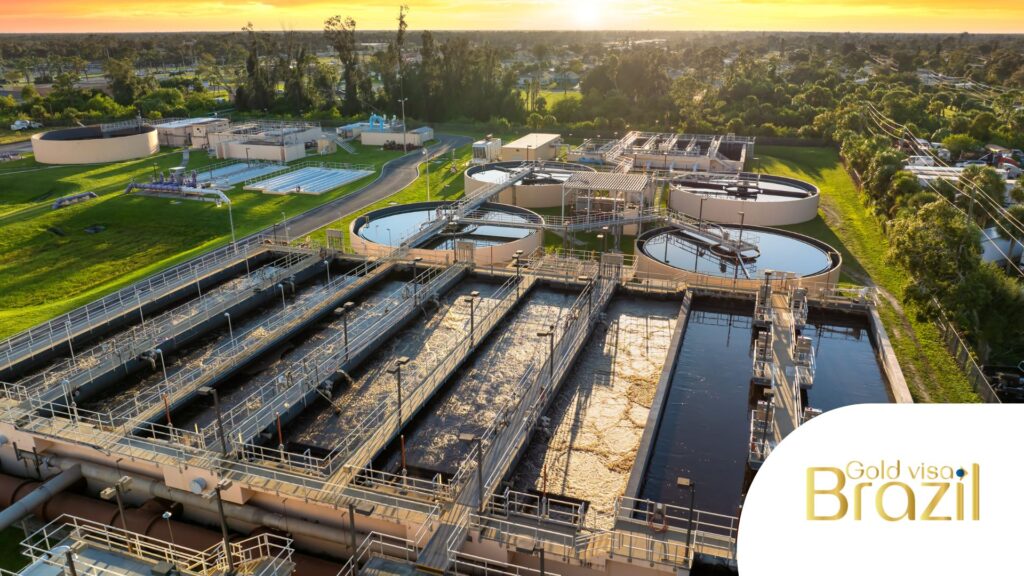
Recent infrastructure investments totaling billions of reais have modernized Rio’s water distribution network.
These upgrades include new treatment technologies, pipeline replacements, and enhanced monitoring systems that collectively improve water quality and reliability.
Moreover, the privatization of water services in many Rio areas has accelerated infrastructure improvements, bringing international best practices to local water management.
Foreign investment has introduced European and North American technologies previously unavailable in the region.
Addressing Historical Misconceptions
International media coverage often focuses on historical water quality issues from the 1980s and 1990s, failing to reflect current infrastructure reality.
These outdated narratives persist despite decades of substantial improvements and modernization efforts.
Furthermore, many foreign visitors arrive expecting to rely exclusively on bottled water, unaware that Rio’s tap water meets international safety standards for direct consumption.
This misconception costs visitors money while perpetuating unfounded concerns.
Comparative Analysis With International Cities
Independent water quality assessments show Rio’s treated water compares favorably with major international cities.
Parameters like bacterial contamination, heavy metals, and chemical residues consistently meet or exceed standards found in Paris, London, or New York.
Additionally, Rio’s water hardness levels are often lower than European cities, making it more pleasant for drinking and requiring less soap for cleaning.
Many European visitors report preferring Rio’s water taste over their home country’s heavily processed alternatives.
Key Water Quality Advantages for International Residents:
- Source Quality: Guandu River watershed provides naturally soft water requiring less chemical treatment than hard-water European sources;
- Modern Treatment: Advanced oxidation and filtration technologies exceed many older European treatment plants’ capabilities
Practical Considerations for Foreign Residents
International families relocating to Rio often discover significant cost savings by drinking tap water instead of purchasing bottled alternatives.
Quality tap water eliminates monthly bottled water expenses that can reach hundreds of reais for large households.
Moreover, environmental benefits appeal to eco-conscious European families accustomed to sustainable practices.
Rio’s tap water reduces plastic waste while providing quality equivalent to premium bottled brands available globally.
Building Confidence Through Transparency
Water quality reports are publicly available and regularly updated, providing transparency that exceeds standards in many countries.
These reports include detailed testing results and comparative analysis with international benchmarks.
Additionally, the VIPER Golden Visa program provides new residents with comprehensive information about local infrastructure, including water quality documentation that satisfies even the most cautious international investors.
Making Informed Decisions About Water Consumption
Modern Rio offers international residents water quality that meets global standards while challenging outdated preconceptions.
The city’s investment in water infrastructure creates living conditions comparable to major European capitals.
Consequently, Golden Visa investors can confidently plan their relocation knowing that basic infrastructure like water quality will meet their international expectations.
This removes a common concern barrier for families considering Brazilian residency.
Ready to experience Rio’s modern infrastructure firsthand?
Contact our Golden Visa specialists for detailed infrastructure reports and quality certifications that demonstrate Brazil’s commitment to international living standards.
Schedule your Rio infrastructure tour and discover why international families choose Brazil’s reliable, modern amenities over traditional alternatives.