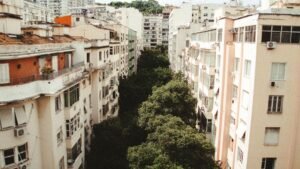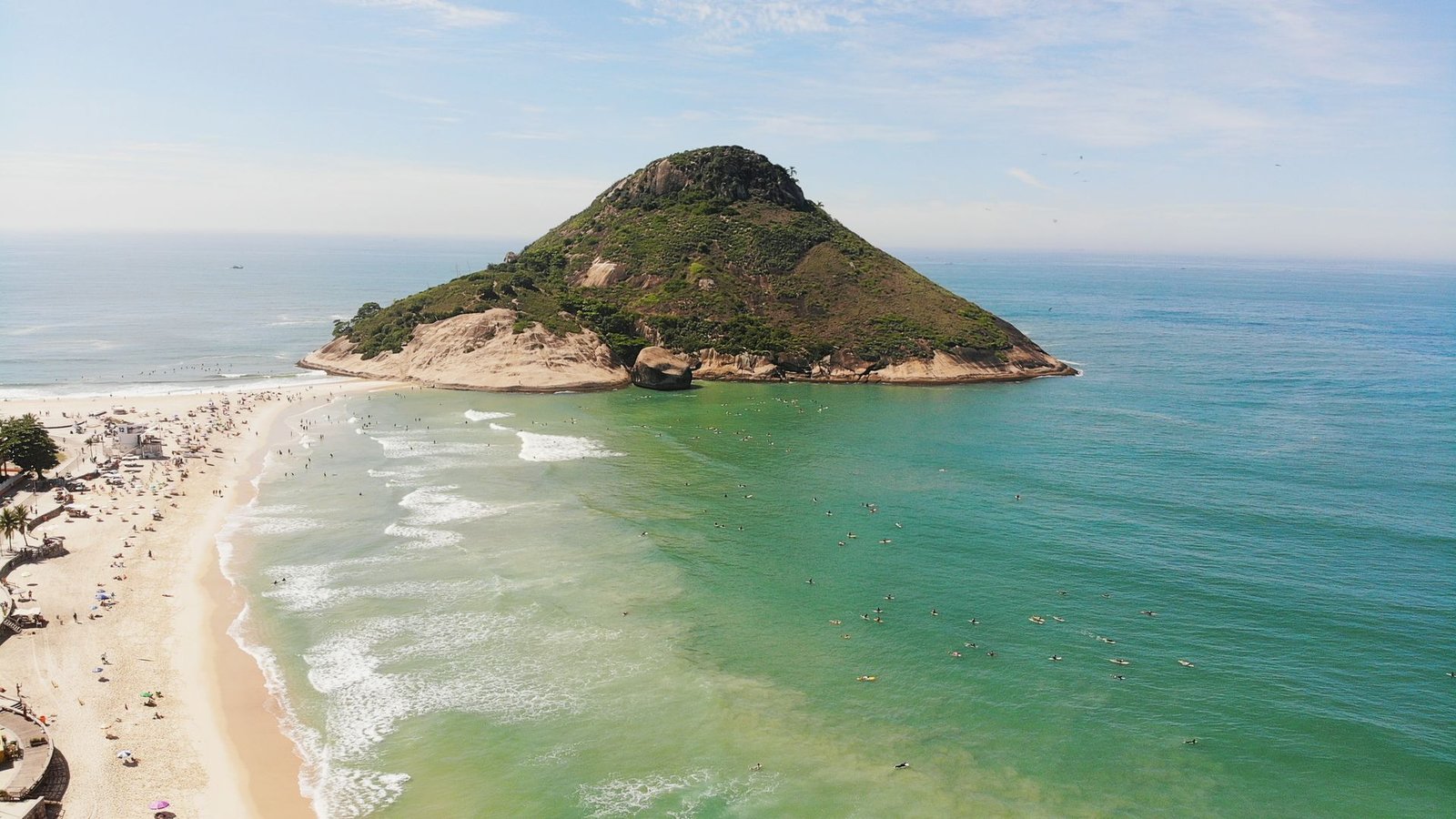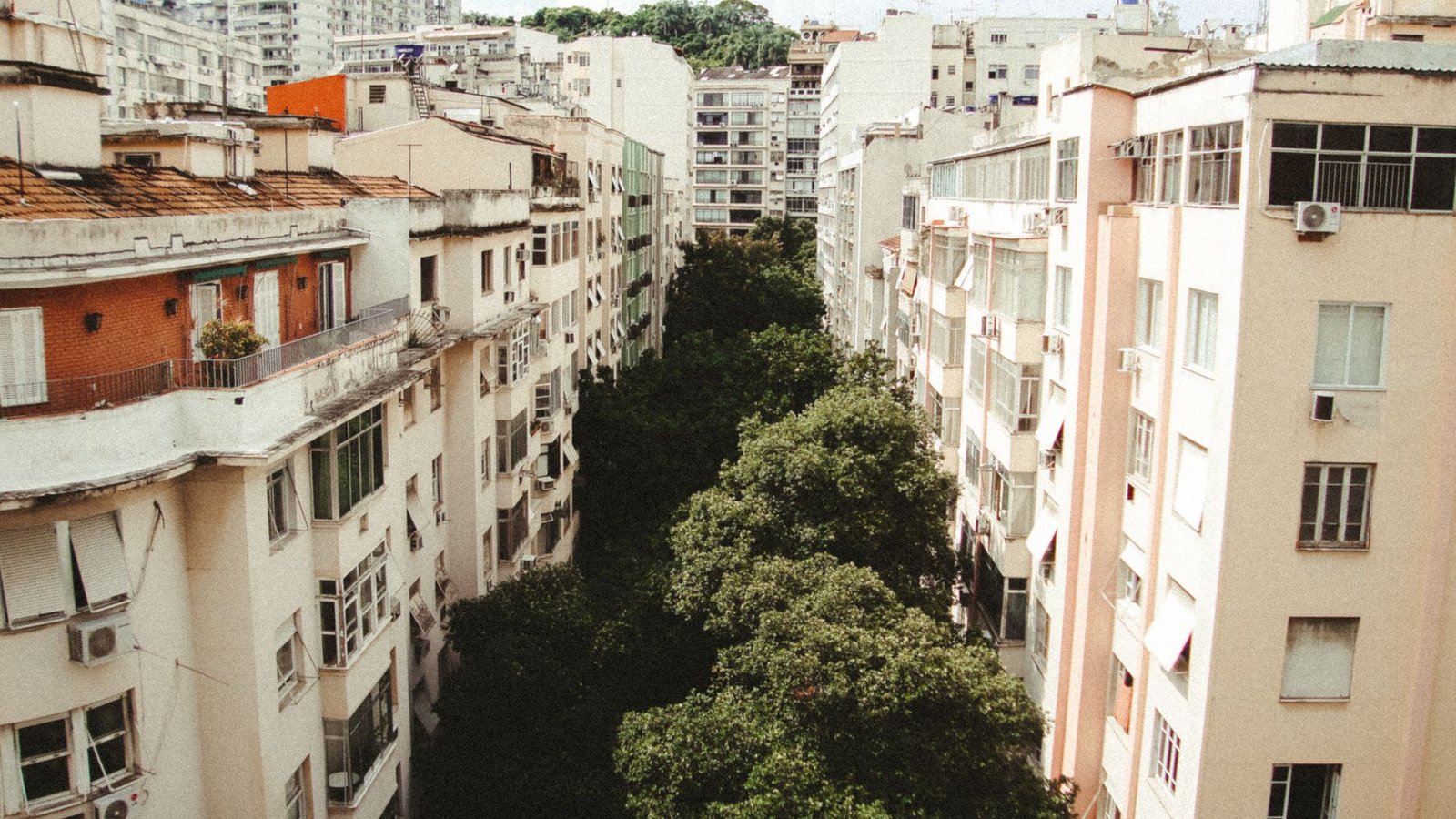
Most conversations about working remotely from Rio de Janeiro begin with the beach, and it is easy to see why. Yet anyone who has tried to keep a serious career running from another continent knows that scenery is rarely what makes the arrangement last. What decides whether someone thrives or burns out is far less photogenic: the clock, the connection, the daily rhythm and the legal footing underneath.
On almost every one of those measures, Rio performs better than its postcard image suggests. For professionals based in New York, London, Lisbon or Berlin, the city sits in a time zone that makes collaboration with home not just possible but comfortable.
Add reliable infrastructure in the right neighborhoods and a daily life that genuinely restores energy. Suddenly, working remotely from Rio looks less like an adventure and more like a workable base.
Why the clock matters more than the beach when you work remotely
Working from abroad tends to fail in a predictable way. A designer relocates to a city twelve hours away from her team, and for a few months the novelty carries her through. Then the late-night calls accumulate, decisions are made while she sleeps, and she slowly becomes the colleague who is always one message behind.
Distance from the office is manageable; distance from the working day is not.
That is why experienced remote professionals evaluate a destination through overlap before anything else. The question is not how far a city is from headquarters, but how many working hours it shares with it. A place that shares most of the business day allows someone to remain visible, attend meetings at reasonable times and still protect evenings for actual life.
Rio de Janeiro has a structural advantage here that many international buyers only notice after their first extended stay. Brazil sits in the Western Hemisphere, but much further east than North America. As a result, the city occupies a rare middle ground: close enough to Europe’s afternoon, nearly aligned with America’s East Coast.
Rio de Janeiro’s time zone and how it overlaps with New York, London and Berlin
Rio runs on Brasília time, three hours behind UTC, and Brazil has not observed daylight saving time since 2019. The subject is occasionally reviewed by the government, but for now the city’s clock stays fixed while North America and Europe shift theirs twice a year. The gaps therefore move slightly with the seasons. In broad terms, the difference looks like this:
- New York and the East Coast: one or two hours behind Rio;
- Los Angeles and the West Coast: four or five hours behind;
- London and Lisbon: three or four hours ahead;
- Berlin, Paris and Madrid: four or five hours ahead.
For someone working with New York, that means an almost complete overlap with the East Coast business day. A professional based in Barra da Tijuca can join a 9 a.m. stand-up in Manhattan at 10 or 11 local time and finish the day with colleagues still online. West Coast teams push some calls into the late afternoon, but rarely into the night.
The relationship with Europe works differently, and arguably even better. A European professional who starts early in Rio can share the entire European afternoon, when most meetings happen anyway. Then, as the continent goes home, the day in Rio is still young.
A remote worker’s day built around two clocks
Picture a consultant whose clients are mostly in Germany. She opens her laptop at 7 a.m. in Rio, already midday in Berlin, and spends the morning on calls and decisions that require real-time conversation. By early afternoon local time, Europe is winding down. The rest of her day belongs to focused work, a late lunch and, often, a walk along the water while the light is still good.
An American working with a New York team lives a different version of the same balance. Mornings are slower and quieter, ideal for deep work before the East Coast fully wakes up. Afternoons are collaborative, and the day ends at roughly the same moment as the team’s. Neither profile has to sacrifice sleep or evenings, which is precisely what makes the arrangement sustainable beyond a season.
What both schedules share is a sense of daylight belonging to the person rather than to the calendar.
In a city where sunrise comes early for much of the year and outdoor life is woven into the routine, that matters more than it first appears. Work-life balance stops being an abstract goal and becomes something built into the structure of the day.
Coworking, coliving and cafes: where digital nomads work in Rio
The image of the digital nomad typing from a beach kiosk is mostly fiction; sand, glare and inconsistent signals make it impractical for anyone with serious obligations. Most remote professionals in Rio rely on a well-equipped home office, using coworking spaces and cafes as a change of scene rather than a primary desk.
Coworking options have grown considerably over the past decade, particularly in Botafogo, Copacabana, Ipanema, Leblon and the business corridors of Barra da Tijuca. They offer stable connections, meeting rooms for client calls and, just as importantly, a community of other professionals in similar situations.
Some newcomers start in coliving arrangements to get oriented before committing to a neighborhood. It is a sensible way to understand how the city works day to day.
The choice between Barra da Tijuca and the Zona Sul often comes down to temperament. Ipanema, Leblon and Botafogo deliver density, walkability and a constant cultural pulse, with cafes and restaurants on every block.
Barra offers more space, newer buildings designed with home offices in mind, quieter streets and the kind of structured residential life that many families and long-term residents prefer. Both can work beautifully for a remote career; they simply support different versions of everyday life.
Beyond the Zona Sul: Flamengo, Santa Teresa and Centro
The map does not end at the beach. Flamengo and Laranjeiras attract professionals who want Zona Sul energy at a slightly calmer pace. Santa Teresa, with its hillside streets and artists’ studios, appeals to those who prefer character over convenience.
Centro and nearby Lapa, the historic city center, concentrate coworking spaces, cultural venues and some of Rio’s best live music. Even so, most long-term residents choose to work there rather than live there.
What ties these places together is a digital nomad community that has matured considerably. A decade ago, foreign professionals in Rio were scattered and largely invisible. Today there are regular meetups, professional networks and a social scene that makes it easier to build a circle of peers. For someone arriving alone, that community often shapes the first months of life in Rio as much as the apartment does.
Wi-Fi, coworking spaces and staying reliably online in Rio
Few concerns weigh more heavily on anyone planning to work remotely than connectivity. Here, Rio tends to surprise, much like the modern infrastructure that catches first-time visitors off guard.
Fiber-optic internet is widely available in the city’s main residential neighborhoods, and modern buildings increasingly treat high-speed wifi as standard infrastructure rather than a luxury. Brazilian providers have expanded fiber coverage aggressively over the past decade, and in well-served areas speeds comparable to those in European or American cities are now routine.
That said, professionals who depend on video calls usually build in redundancy, as they would anywhere else. A backup mobile connection and a building with a reliable power supply are part of choosing the right property, not an afterthought. This quietly explains why newer developments, particularly in Barra da Tijuca, appeal to international buyers who intend to work from home. The building itself becomes part of the professional setup.
Living in Rio de Janeiro: cost of living and daily life
The cost of living in Rio is one of the most frequently cited attractions, and it is real, but it deserves a more nuanced reading. Professionals earning in dollars, euros or pounds generally find that daily life costs considerably less than in their home cities, especially for services, dining and domestic help.
Housing in the most sought-after parts of the Zona Sul or beachfront Barra, however, is priced accordingly, and quality varies widely from one building to the next.
What tends to change most is not the budget but the texture of everyday life. Mornings can begin with exercise on the beach before the first call, and lunch can be long and social. Evenings are spent outdoors for most of the year, especially during the warm months from December to March.
Weekends bring a different kind of time in Rio: a hike facing Christ the Redeemer, sunset at Sugarloaf or an afternoon in the Tijuca Forest.
Cariocas, as Rio’s residents are known, separate work from life in a way that newcomers often find contagious. Meanwhile, the city’s mix of mountains, ocean and urban energy makes downtime genuinely restorative. It is the same logic that has led many European buyers to use Rio as a warm-weather base.
Learning some Portuguese makes a meaningful difference, too. Many newcomers manage comfortably in English within their professional circles, but daily life opens up considerably once they can handle conversations with neighbors, shopkeepers and building staff. Few things make Rio feel like home more quickly than being able to joke with the person who serves your morning coffee.
Digital nomad visa or residence strategy: understanding the difference
Brazil offers a specific permit for remote professionals, known as the VITEM XIV and commonly called the digital nomad visa. It is designed for people who work for employers or clients outside Brazil and want to spend an extended, but temporary, period in the country. For someone testing the waters, it can be a reasonable fit.
The limitation is in the word temporary. This permit is not designed as a long-term residence solution, and it does not, on its own, turn into permanent residence. It also keeps the holder’s professional activity tied to foreign sources, which shapes how life in Brazil can evolve over time.
Investment-based residence through real estate, under Normative Resolution 36, follows a very different logic. Rather than a time-limited authorization, it ties legal residence to a qualifying property investment in Brazil. That gives international buyers a more stable foundation for a life split between continents or anchored in Rio.
Residence and citizenship are separate matters; citizenship, if desired, can only come later through naturalization. Still, for many professionals, residence is the piece that turns a long stay into a genuine base. Whether that residence also allows professional activity in Brazil is a separate question, explored in our analysis of working in Brazil with a real estate investor visa.
What to clarify before working remotely from Rio long term
Before turning an extended stay into a long-term plan, two areas deserve careful attention:
- your employer’s policy, since some companies restrict international remote work for payroll, compliance or data-protection reasons;
- your legal and fiscal position, which depends on nationality, individual circumstances and how your income is structured.
These are not issues to solve through general guidance; they call for advice aligned with both the residence strategy and the property decision. The professionals who make the transition smoothly are usually those who treat it as a structured move rather than an extended vacation.
Conclusion: an office with a different horizon
Working remotely from Rio de Janeiro is not a fantasy reserved for travel influencers. For Europeans and Americans, the city offers a time zone that keeps them connected to home. It also combines solid infrastructure with a daily rhythm that few global cities can match. The beach is part of the appeal, but the clock is what makes it sustainable.
The real difference lies in how the move is structured. A short stay can rely on a temporary permit and a rented apartment. A lasting base, by contrast, benefits from the right property in the right neighborhood, supported by a matching residence strategy.
Could Rio become your long-term remote base?
If you see Rio as more than a temporary escape, the next step is understanding how property and residence can work together for you. Gold Visa Brazil helps international buyers find the right neighborhood, property and residence structure for a life built around working remotely from Rio. Explore how the Golden Visa program could support your move to Rio.