A city can have stunning natural beauty and still feel lonely.
What turns a holiday favorite into a home is people: a neighbor who waves, a table at the club, a friend who explains how things work.
That is why anyone moving to Rio de Janeiro tends to ask, sooner or later, who they will meet.
The expat community in Rio de Janeiro is smaller and less formal than in some global capitals.
It is active, welcoming and easy to join once you know where to look.
As a practical Brazil guide, this article looks at the social side of living in Rio de Janeiro.
It covers where international residents gather, how friendships start and how newcomers find their place among both expats and Brazilians.
What the expat community in Rio de Janeiro really looks like
The expat community here is a mosaic rather than a single group.
Residents of Rio de Janeiro include many expats.
They are retirees, families on relocation packages, remote professionals, entrepreneurs and investors who chose Rio for lifestyle reasons.
Many expats live in Rio for years, and Americans, Europeans and Latin Americans mix with long-term foreign residents who have settled in Brazil.
Many arrive in Brazil for work or study and stay because daily life suits them. Relocation often begins with a short visit.
Unlike São Paulo and other major cities with a single dominant expat district, Rio de Janeiro offers many areas to live.
The city of Rio spreads its international residents across several neighborhoods.
That makes the community less visible, but also less closed, and it explains why many expats live far from each other yet stay connected.
Digital nomads add another layer, drawn by the vibrant culture and friendly people.
Some stay a few months, while others turn a short stay into living in Brazil for good, and each brings new connections to the circle.
Where international residents tend to gather
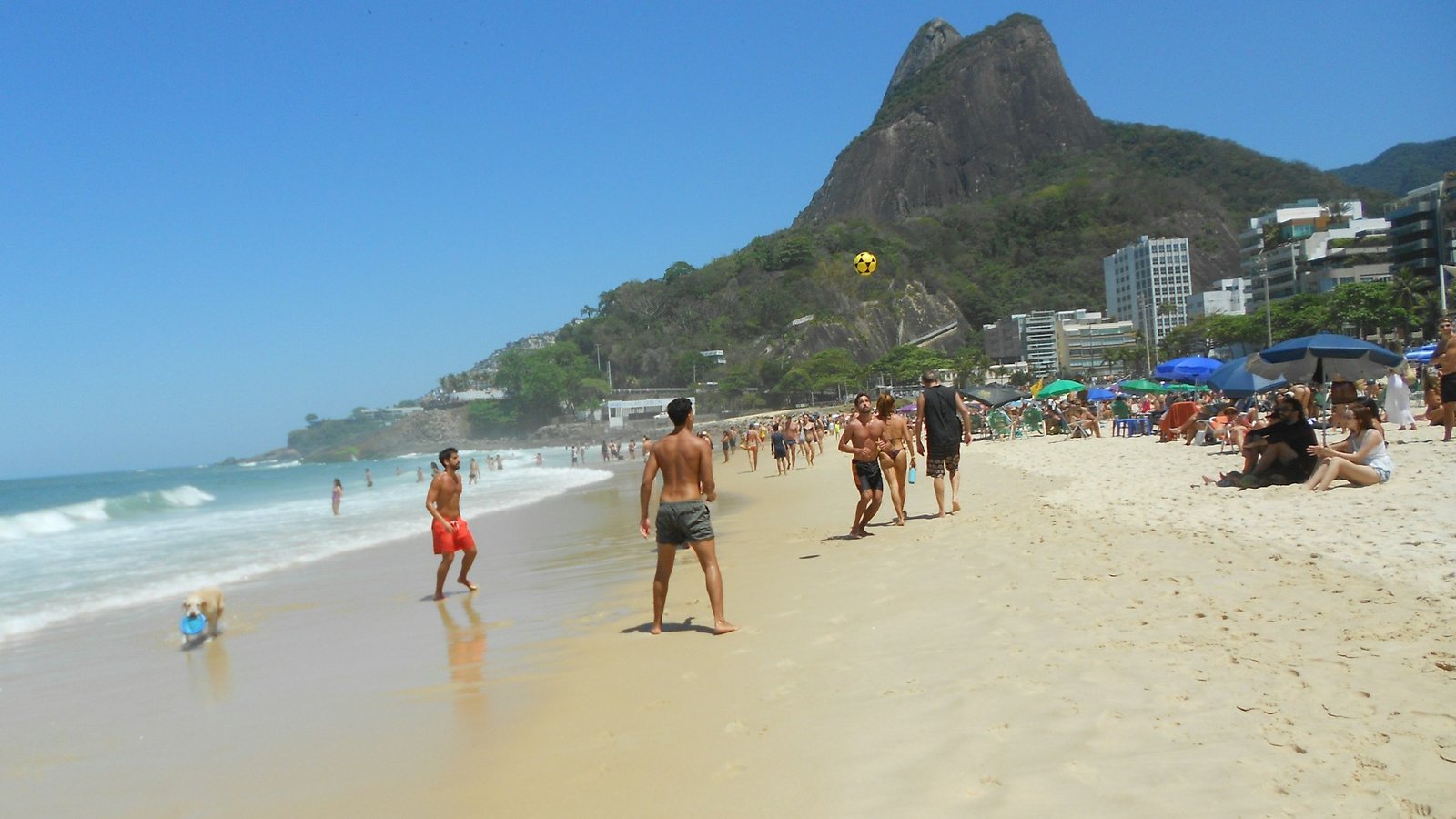
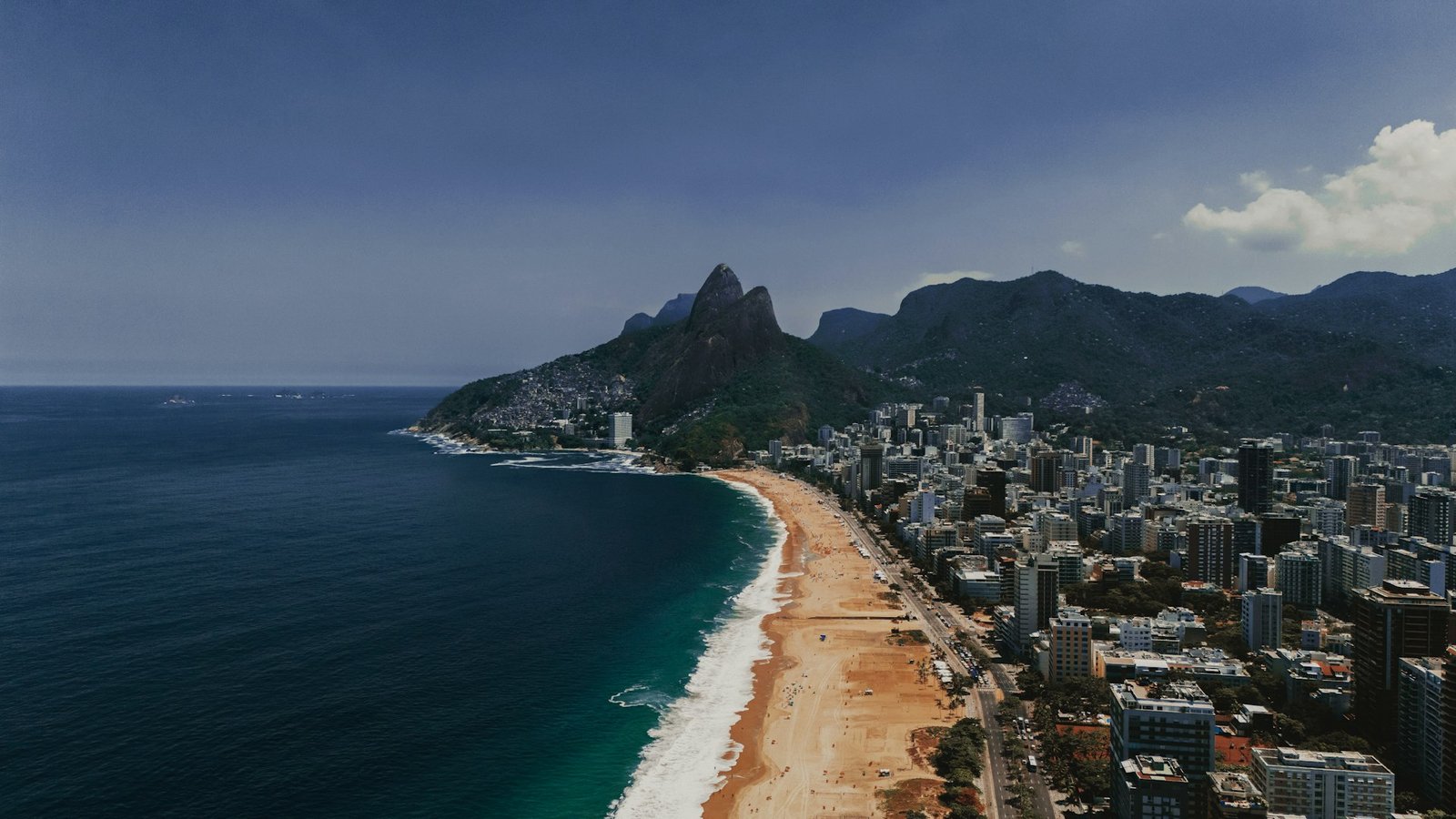
Social life around Rio de Janeiro follows the map, from Copacabana and Ipanema to the quieter west.
Life in Rio de Janeiro looks different from one neighborhood to the next.
Each area attracts a slightly different crowd, and the right fit depends on the rhythm you want.
- Ipanema and Leblon, plus Copacabana: world-famous beach districts with a polished, walkable social scene around cafés and restaurants.
- Leblon and Botafogo: a more varied, urban mix of city life, with easy access to culture and nightlife.
- Barra da Tijuca: a family-oriented community built around condominiums, clubs and open space.
- Zona Sul more broadly: a pool of long-term foreign residents who know the tourist areas and the quieter parts of the city well.
Beyond neighborhoods, many expats meet through online groups and networking platforms such as InterNations.
There, expats organize dinners, language exchanges and weekend outings.
Cafés and co-working spaces also work as meeting points, especially for professionals who work remotely and want daily contact with other people.
Schools, clubs and sports: where friendships start
For families, school is the fastest route into a community.
Parents meet at drop-off, at events and at weekend matches, and those connections often outlast the school years.
Our guide to American and British schools in Rio explains how the international schools fit into daily life.
Sports clubs, known in Brasil as clubes, are another natural starting point.
Tennis, sailing, running groups and beach volleyball are everywhere, and joining a weekly activity creates a rhythm of familiar faces.
Around Lagoa Rodrigo de Freitas, the morning crowd of runners and cyclists becomes a social circle in its own right.
After a few weeks, a nod turns into a conversation.
Volunteering, art classes and Portuguese lessons add more entry points.
Each of them gives a reason to return to the same place at the same time, which is how friendships usually begin.
How condominium life builds a social circle
In Rio, many people live in buildings and condominiums with shared spaces, and those spaces do a lot of social work.
The most social buildings share a pool, a gym, an air-conditioned party room or a playground, which makes casual meetings possible without any planning.
A short walk to Jardim Botânico or the beach adds more chances to meet.
The best-known example is Barra da Tijuca, where large condominiums function almost like small neighborhoods.
Neighbors organize events, children play together and residents form long-lasting bonds.
A building with an active community is one of the best places to start, and it matters as much as the apartment itself.
To see how this works in practice, read about life inside a gated community in Barra da Tijuca.
Meeting Brazilians, not only other expats
Spending time only with other foreigners is comfortable, but it also keeps the city at a distance.
The most rewarding friendships often come from Brazilian neighbors, colleagues and classmates.
Cariocas, as locals are known, tend to be warm and curious about visitors.
A shared meal, a football match or an invitation to a family gathering can open the door to a deeper side of Brazilian life.
Language helps, and enough Portuguese to say hello goes a long way.
Anyone who can speak Portuguese, even a little, earns goodwill.
Many Brazilians are happy to practice English in return, which makes language exchanges a popular first step.
Rio de Janeiro often surprises newcomers with its outdoor living.
Brazilian culture also values social gatherings, and the whole city, from the beach to Christ the Redeemer, becomes a backdrop.
Birthday parties, barbecues and beach afternoons are part of the calendar, and newcomers are often welcome to join.
The challenges newcomers face and how they ease
Every move has an adjustment period, and Rio is no exception.
The language barrier, local bureaucracy and the distance from family are the most common challenges for a newcomer.
Practical details can feel confusing at first, and Brazilian bureaucracy demands patience. The hustle and bustle of a big city adds to it.
A CPF, Brazil’s taxpayer number, is needed for many everyday tasks, and the process of understanding it is easier with local help.
Expat living in Rio de Janeiro has many everyday aspects.
These range from the cost of living and other living costs to the healthcare system and private healthcare.
All are easier to navigate with friends who have done it before.
The good news is that these hurdles usually fade as routines form, and the safest way to find your footing is to ask neighbors for local tips.
A circle of friends, a regular café and a familiar building turn the unknown into the ordinary.
Pace is another adjustment.
Life in Brazil runs on a more relaxed schedule than in many northern cities, and the relaxed lifestyle of Rio is part of settling in.
What to explore before you commit to a property
Community is easier to judge in person than in a brochure, especially when you want to live in the city and not only visit.
Before buying property in Rio, spend time in the neighborhoods you are considering.
Notice who you meet, how the building feels and how easily you can imagine a normal week.
A few questions help guide that exploration:
- Neighbors: is the building active, and who lives there?
- Activities: are clubs, classes and sports close by?
- Rhythm: does the area suit your daily routine at different hours?
Treat these visits as part of the decision, not an extra.
A property that fits your social life tends to work better in the long run than one chosen on views alone.
Conclusion: a community you build, not one you find ready-made
The expat community in Brazil’s most famous city is not a single club with a front door.
It is a network of schools, buildings, sports and friendships that newcomers build over time, and Brazilians are a big part of it.
The pros and cons of living in Rio balance out quickly once friendships form.
Choose a neighborhood and a building that make connection easy, join one or two regular activities, and give the city a few months.
Belonging in Rio usually arrives sooner than people expect.
Could Rio’s international community feel like home for you?
If you picture a life in Rio with good company, the next step is choosing a property and a neighborhood that support it.
Gold Visa Brazil helps international buyers match their lifestyle to the right area and align the purchase with Brazil’s residence framework.
Explore how the Golden Visa program can support your move to Rio de Janeiro.