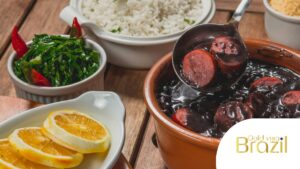
When Swiss investor Andreas Mueller first arrived in Rio, he expected his culinary adventure to revolve around endless churrasco and caipirinhas.
Six months later, he’s become obsessed with açaí bowls, discovered twenty different ways to prepare fish, and learned to make proper feijoada from his Brazilian neighbors.
“I thought I knew Brazilian food,” Andreas laughs. “I had no idea I was stepping into one of the world’s most diverse culinary landscapes.”
Beyond the Famous Stereotypes
Churrasco and caipirinhas represent Brazil internationally like pizza represents Italy – they’re authentic, beloved, but barely scratch the surface.
Brazil’s continental size encompasses 26 states, each offering distinct culinary traditions shaped by unique climates, ingredients, and cultural influences.
Moreover, Brazilian cuisine reflects one of history’s most complex cultural fusions.
Indigenous techniques blend with African flavors, European cooking methods, and Asian influences brought by Japanese and Lebanese immigrants.
This creates a gastronomic diversity that rivals entire continents.
Furthermore, Brazil’s exceptional biodiversity provides ingredients found nowhere else on Earth.
The Amazon rainforest alone offers hundreds of fruits, herbs, and proteins that international chefs are just beginning to discover.
In fact, UNESCO recognizes several Brazilian culinary practices as Intangible Cultural Heritage, highlighting techniques developed over centuries of cultural exchange and adaptation.
Regional Culinary Countries
Each Brazilian region functions as a separate culinary nation.
The Amazon region features exotic fruits like açaí, cupuaçu, and caju, alongside fresh fish such as pirarucu and tucumã palms that create dishes unimaginable elsewhere.
Meanwhile, the Northeast showcases African influence through dishes like moqueca (coconut fish stew), acarajé (black-eyed pea fritters), and countless variations of fresh seafood preparations that take advantage of Brazil’s extensive coastline.
Rio de Janeiro: A Gastronomic Capital
Rio functions as Brazil’s unofficial gastronomic capital, concentrating culinary traditions from across the country’s vast territory.
The city’s restaurants offer authentic regional specialties alongside innovative fusion cuisine that surprises international palates daily.
Consequently, expatriates discover neighborhood gems serving Amazonian fish in Ipanema, Northeastern tapioca in Copacabana, and Southern-style grilled meats in Leblon.
This concentration allows residents to explore Brazil’s entire culinary map without leaving the city.
Similarly, Rio’s famous street markets showcase incredible diversity.
The Feira de São Cristóvão offers authentic Northeastern cuisine, while organic markets in Zona Sul feature ingredients from small farms across multiple states.
Additionally, Rio’s international restaurant scene incorporates Brazilian ingredients into global cuisines.
Japanese restaurants use Amazonian fish, Italian chefs experiment with tropical fruits, and French patisseries create desserts with native Brazilian flavors.
Local Markets and Fresh Ingredients
Rio’s neighborhood markets reveal the true diversity of Brazilian ingredients.
Vendors sell dozens of tropical fruits that most international residents have never encountered: jabuticaba, pitanga, sapoti, and countless varieties of passion fruit.
Moreover, Brazilian cooking emphasizes fresh, local ingredients over processed foods.
Traditional preparation methods preserve flavors while creating healthy, satisfying meals that align with modern wellness trends.
Furthermore, many Brazilian dishes naturally accommodate dietary restrictions.
Tapioca serves as a gluten-free alternative to bread, açaí bowls provide antioxidant-rich breakfast options, and countless vegetarian dishes utilize beans, grains, and vegetables in creative combinations.
Unique Flavors and Techniques
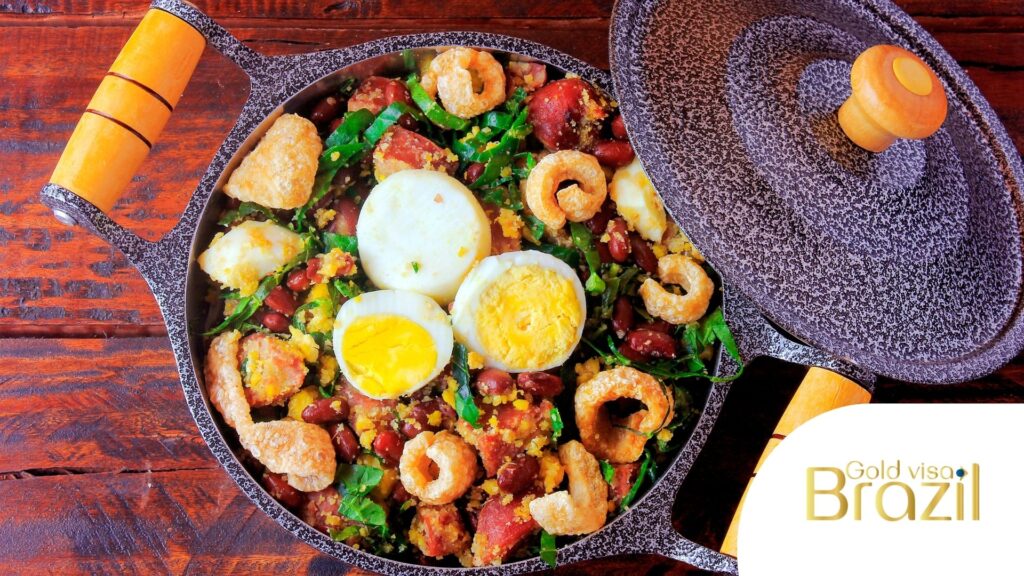
Brazilian cuisine offers flavor profiles completely unknown to international palates.
Dendê oil from African palm creates the distinctive taste of Bahian cooking, while native herbs like jambu provide tingling sensations that enhance Amazonian dishes.
Similarly, traditional cooking techniques produce textures and tastes impossible to replicate elsewhere.
Slow-cooking methods for beans, specialized grilling techniques for different meats, and fermentation processes for unique beverages create culinary experiences unavailable in other countries.
Meanwhile, Brazilian dessert traditions incorporate tropical ingredients into European-influenced sweets.
Brigadeiros, quindim, and countless fruit-based desserts provide perfect endings to diverse meals.
Sustainable and Organic Focus
Brazilian cuisine naturally emphasizes sustainability and organic ingredients.
Traditional cooking relies on seasonal availability, local sourcing, and minimal processing – principles that align perfectly with contemporary environmental consciousness.
Additionally, many Brazilian dishes incorporate superfoods that international health communities are just discovering.
Açaí, chia seeds, Brazil nuts, and countless Amazonian fruits provide exceptional nutritional value alongside incredible flavors.
The Expatriate Culinary Journey
“Living in Rio transformed my relationship with food,” explains German investor Klaus Weber. “Back in Munich, I ate to survive. Here, every meal is an exploration.”
Furthermore, expatriates discover that Brazilian social culture revolves around shared meals, extended family gatherings, and communal cooking experiences that create deeper connections with local communities.
Nevertheless, the learning curve can be steep.
Brazilian portion sizes, meal timing, and social eating customs differ significantly from European or North American patterns, requiring adjustment and openness to new experiences.
Culinary Integration for International Residents
Rio’s international community actively shares culinary discoveries through cooking classes, food tours, and neighborhood restaurants that cater to curious expatriate palates while maintaining authentic Brazilian flavors.
Moreover, many Golden Visa investors find that exploring Brazilian cuisine becomes their gateway to understanding local culture, building relationships with Brazilian neighbors, and feeling truly integrated into their new home country.
A Feast for New Residents
Brazilian gastronomy offers international residents far more than stereotypical expectations suggest.
The country’s culinary diversity provides endless exploration opportunities while supporting healthy, sustainable, and socially connected lifestyle choices.
And you, are you ready to discover how Brazilian gastronomy could enrich your Golden Visa experience?
Contact our specialists to learn how Rio’s incredible culinary scene awaits your palate’s exploration.