There are cities where nature is a backdrop. And there are cities where nature actively participates in daily life.
Rio de Janeiro belongs to the second category.
For international buyers, that distinction matters more than it may seem at first.
A property decision is never only about square meters, finishes, or views. It is also about rhythm, routine, and how life feels once the novelty fades.
In Rio, geography is not decorative. It shapes the way people move, breathe, exercise, socialize, and recover from the pressure of urban life.
That is why the city creates such a strong impression on buyers who are not simply looking for a home, but for a different standard of living.
Rio offers a rare kind of urban geography
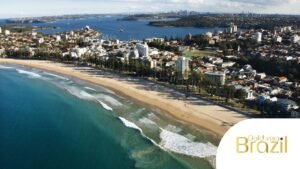
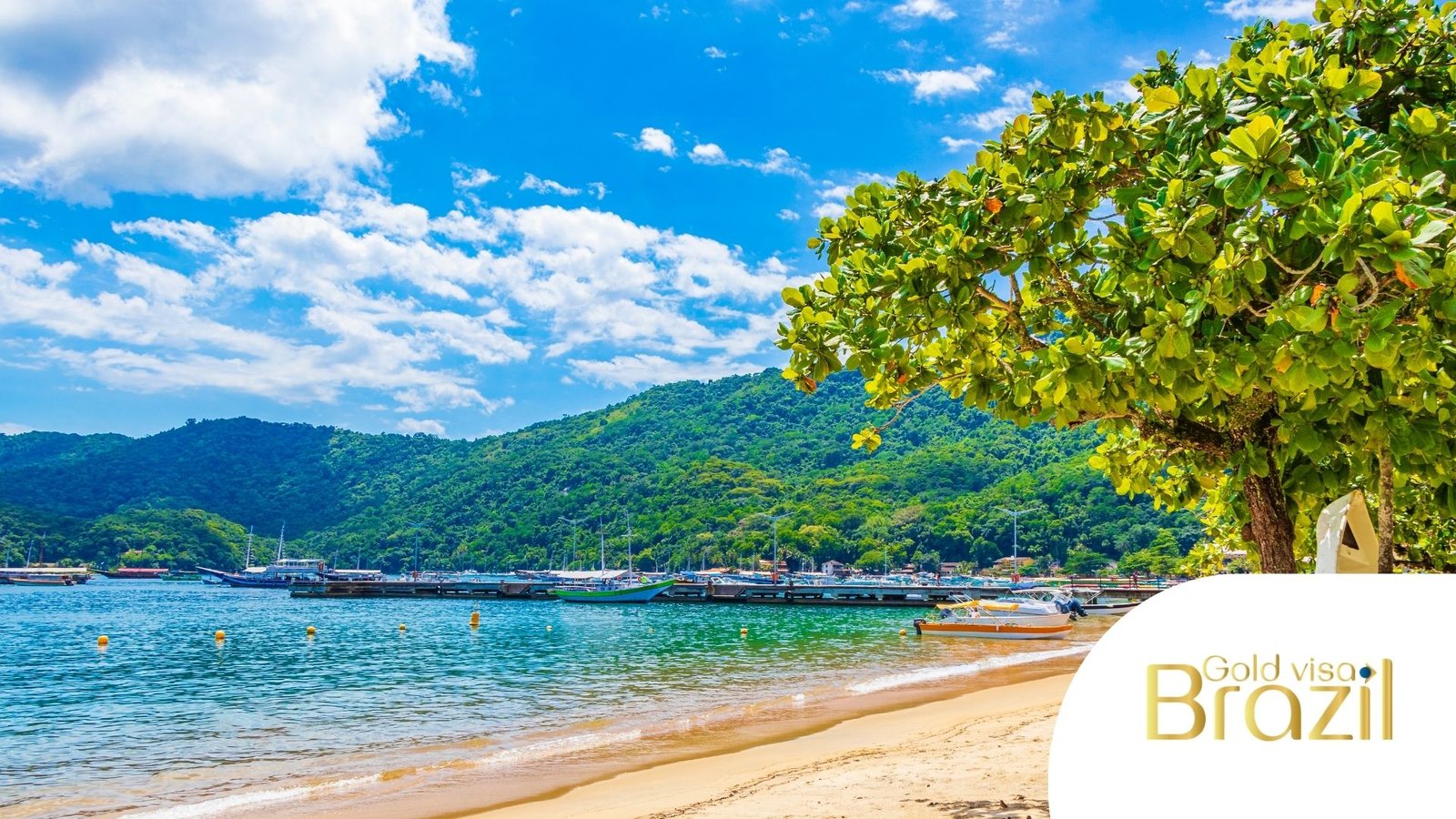
Very few cities combine ocean, mountains, lagoons, and dense urban life with the same intensity as Rio.
This is not just visually striking. It changes the emotional texture of everyday life.
The city does not force a complete separation between nature and routine. Instead, it blends them.
A morning can begin with the sea in sight, continue through a business meeting in a sophisticated urban setting, and end with open sky, water, and mountain silhouettes still present in the background.
That combination gives Rio a character that feels unusually expansive.
For international buyers used to more compressed urban environments, that difference can be powerful.
In Rio, nature is not separate from daily life
In many global cities, nature is something people visit when time allows. In Rio, it is often part of the ordinary structure of the day.
That changes behavior. People walk more. Stay outdoors longer. Build habits around light, air, and movement.
The city’s geography encourages a more active relationship with the environment, even for people whose routine is busy and urban.
This matters because quality of life is not created only inside the apartment. It is created by what surrounds it and how those surroundings influence mood, energy, and personal rhythm.
Rio’s natural geography makes daily life feel less sealed off. And that feeling has real value.
Why this matters so much to international buyers
International buyers are rarely choosing property on price alone; instead, they are comparing ways of living.
The real question is whether a city can support a different pace of life—offering not only beauty, but also emotional relief and an environment that contributes something meaningful to everyday experience.
Rio answers that question in a distinctive way, providing a city life that still feels physically open.
That matters to buyers who already have access to comfort elsewhere and are now looking for something less generic.
Ultimately, this is not just a search for location. It is an investment in atmosphere, rhythm, and a sense of presence that is difficult to replicate.
Barra da Tijuca turns geography into livability
Barra da Tijuca is one of the clearest examples of how Rio’s geography becomes practical quality of life.
The neighborhood brings together beach, lagoon, broader streets, larger residential compounds, and a stronger feeling of spatial openness.
For many international buyers, that creates a more manageable and predictable version of Rio without losing the city’s natural advantages.
Barra works especially well for people who value daily comfort. It offers room to breathe, easier adaptation to longer stays, and a stronger sense of functional residential life.
The natural setting is still there, but it connects more directly with modern infrastructure, private services, and a style of living that many foreign families find easier to integrate into.
That is why Barra often feels less like a dramatic postcard and more like a place where life can actually be built.
Quality of life is not only about luxury. It is about rhythm.
It is easy to confuse quality of life with visible luxury. But they are not the same thing.
A high-end apartment can offer comfort, privacy, and design. Still, the larger question is whether the city around it allows for a better daily rhythm.
Can you move through the day with more ease? Can the environment support a calmer routine?
Does the setting create room for physical activity, mental recovery, and more fluid transitions between work and personal life?
Rio’s advantage lies precisely there. Its geography does not simply beautify the city. It softens urban intensity.
It creates more moments of release within the day. For many buyers, that matters more in the long run than any isolated amenity inside the building.
The real value is not visual beauty alone
The beauty of Rio is obvious. But beauty alone does not justify a serious property decision.
The real value appears when the geography improves the lived experience of the city.
A view is pleasant. A lifestyle shaped by sea air, open horizons, sunlight, and access to outdoor movement is something deeper.
This is why certain buyers end up seeing Rio differently after spending real time in it. What first looked like an emotional attraction begins to feel like a structural advantage.
The landscape is not only admired. It becomes part of how life is organized and enjoyed.
Buyers are not just choosing a property. They are choosing an environment.
A property is never isolated from its context. For international buyers, this is especially true.
When someone buys in Rio, they are not simply choosing a unit.
They are choosing the environment that will influence how mornings begin, how stress is managed, how weekends feel, and how family life unfolds.
That surrounding environment becomes part of the investment logic.
In Rio, geography helps make that logic stronger. It offers a kind of daily life that feels less contained and more alive.
And for many buyers, that is not an indulgence. It is part of the reason the purchase makes sense.
Conclusion: in Rio, geography becomes part of the investment case
Rio stands out because its geography does more than impress the eye. It affects the way life is actually lived.
For international buyers, that matters.
The city offers a rare combination of urban sophistication and natural presence, and that combination shapes routine in ways that many global cities simply cannot.
The result is not just aesthetic value. It is lived value.
That is why, in Rio, nature becomes more than scenery. It becomes part of the argument for buying.
Could Rio offer the kind of daily life you actually want?
If you are considering property in Rio, the smartest question is not only which apartment looks best on paper.
It is which part of the city supports the way you actually want to live.
The Gold Visa Brazil team can help evaluate how neighborhood, routine, and property choice come together in a way that makes sense for your goals.
And if you want more practical insights on buying and living well in Rio, follow the blog for the next articles.